
How to Search El Paso County Court Records
The county centralizes its public case lookups on one hub and runs them on the Odyssey platform. From the official El Paso County Records Search page you reach separate tools for civil, family, and probate cases, criminal cases, jail records, jail bond records, warrants, and marriage records. Court records are not in one combined file. You match the tool to the record, then search by case number or by name.
For civil, family, and probate matters, use the Civil, Family, Probate Case Search. It draws from both County Clerk and District Clerk systems.
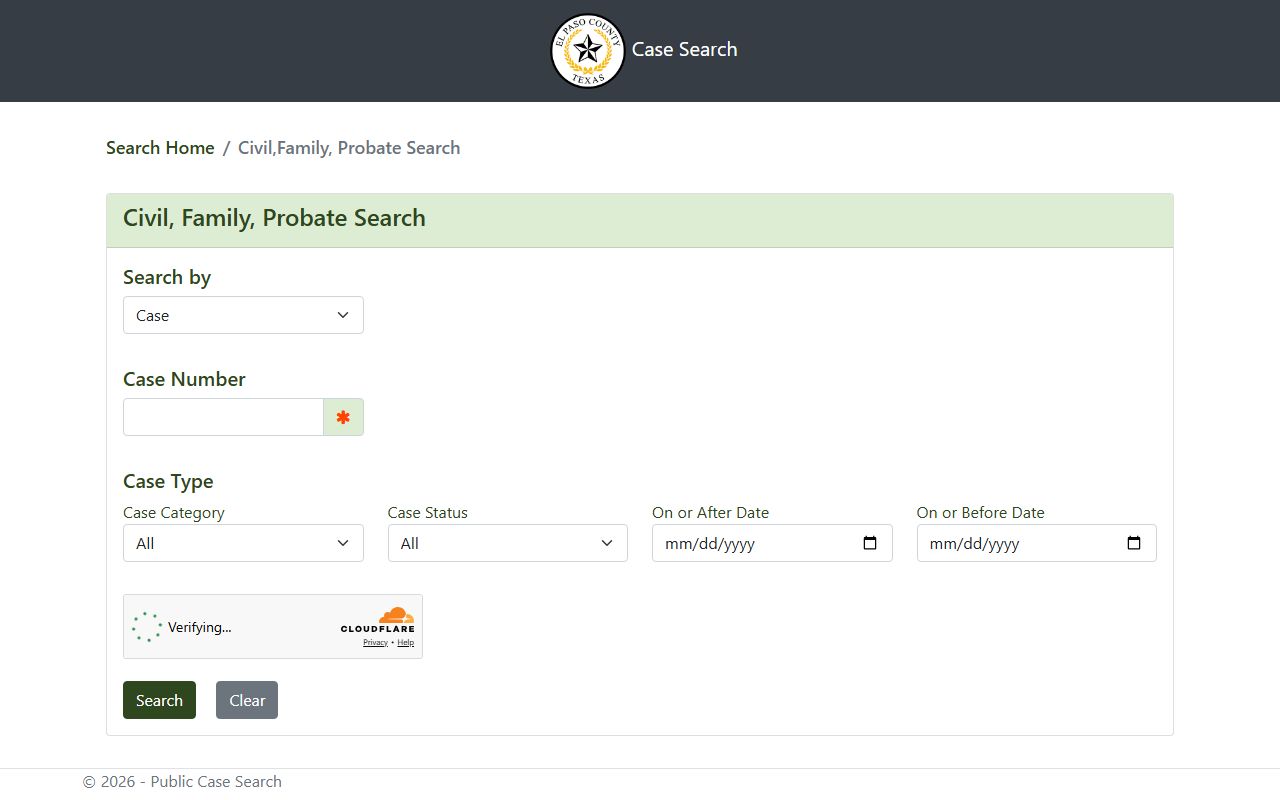
Before you start, gather a few details. A cause number gives the narrowest result. A full name spelled as it reads on an ID, with a date range, works when you have no number.
- Open the Records Search hub and choose the civil or criminal tool.
- Set the Search By method to Case, Party, Business, Attorney, or Bar Number.
- Type the cause number if you have it, or enter last and first name.
- Add a case category, an open or closed status, and a date range to narrow the list.
- Check Use Soundex when a name may be spelled more than one way.
- Clear the security check, click Search, and open the case to read its docket.
El Paso County Court Records Search Fields
The civil, family, and probate search changes its fields based on the method you pick. The table below lists the fields the portal shows. Required fields are marked on the form with an asterisk, and the search will not run until the security check is done.
| Field Label | Type | Required | Notes / Format |
|---|---|---|---|
| Search By | Dropdown | Yes | Case, Party, Business, Attorney, Bar Number |
| Case Number | Text | When Search By Case | Exact cause number |
| Party Last Name | Text | When Search By Party | Required with first name |
| Party First Name | Text | When Search By Party | Required with last name |
| Use Soundex | Checkbox | No | Finds names that sound alike |
| Case Category | Dropdown | Yes | All, Civil, Family, Probate |
| Case Status | Dropdown | Yes | All, Open, Closed |
| On or After / Before Date | Date | No | Filters by filing date |
Types of El Paso County Court Records
El Paso County court records sort into a handful of groups, and each one is filed in a specific court. District courts hold felonies, larger civil suits, and family cases. County courts at law take many misdemeanors and mid-level civil matters. The two probate courts handle wills, estates, and guardianships. Justice courts hold small claims, evictions, and Class C citations.
Which clerk keeps the file follows the court. The District Clerk holds district court records. The County Clerk holds misdemeanor copies, probate-civil records, marriage records, and recordings.
- Civil records include contract, injury, property, and eminent domain suits.
- Criminal records run from county misdemeanors to district court felonies.
- Family records cover divorce, support, custody, and protective orders.
- Probate records hold wills, heirship, and guardianship cases.
- Justice and traffic records cover Class C and small civil matters.
What El Paso County Court Records Show
A court file is built from a set of common fields. The search forms expose the keys you can search on, and the file itself adds the running docket. Because the county portals run a security check before results load, exact result columns are confirmed only after you complete a live search. The fields below are the ones the case design is built around.
| Field | What It Shows |
|---|---|
| Cause Number | The case identifier and best search key. |
| Case Category | Civil, family, probate, or criminal. |
| Parties | Plaintiff, defendant, petitioner, or respondent. |
| Attorney | Counsel of record, by name or bar number. |
| Filing Date | When the case opened with the clerk. |
| Case Status | Open or closed, with disposition detail in the file. |
Note: Personal data such as Social Security and driver license numbers is redacted, and whole case types like juvenile and adoption files are closed to the public.
Public Access Framework for El Paso County Court Records
Texas treats court records and other government records under two systems. The Texas Public Information Act, Government Code Chapter 552, applies to county offices such as the sheriff and the clerk's administrative files. The Texas Judicial Branch states that the courts themselves are not subject to that Act or to federal FOIA. Court case files follow court rules, statutes, and sealing orders instead.
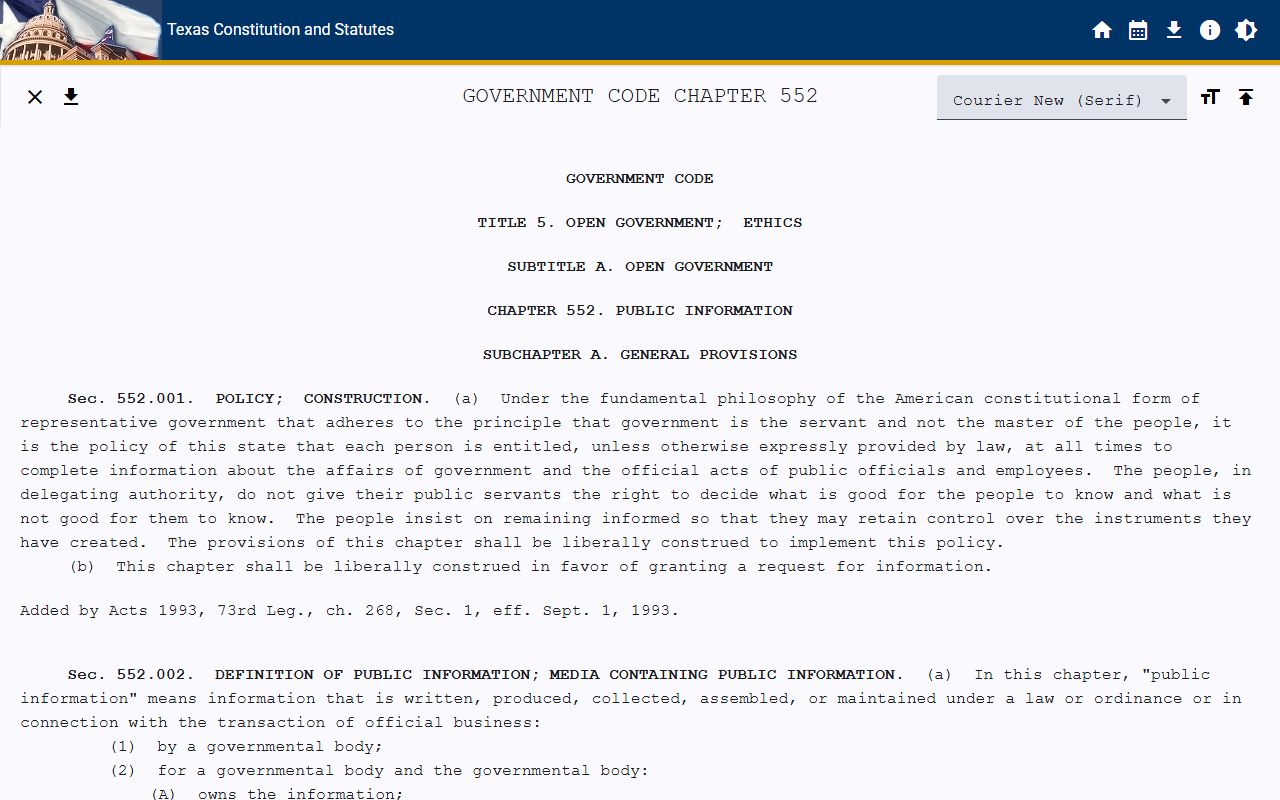
For non-case judicial records, the Texas Judicial Branch open records policy points to Rule of Judicial Administration 12. Anyone can search the public portals, but copy fees, certified-copy fees, and clerk research fees may apply when you order documents.
Note: A sheriff report and a district court docket follow different access rules, so the path to get each one is not the same.
Records That Are Sealed or Confidential in El Paso County
Some El Paso County court records are closed by law. Juvenile records are limited under Texas Family Code Chapter 58. Adoption files, CPS cases, and many mental health commitments are confidential. Grand jury work is secret. Civil files can be sealed only after the notice and hearing that Texas Rule of Civil Procedure 76a requires. Expunged criminal records are removed, and records under an order of nondisclosure are hidden from most public searches.
To view a sealed file, a party or someone with a legal interest usually files a motion in the court that holds the case. The judge then weighs the request against the rule or statute that closed the record. The District Clerk and County Clerk can tell you whether a file is open before you file anything.
Restricted does not always mean gone. An order of nondisclosure hides a record from most public searches, but criminal justice agencies and some licensing bodies can still reach it. An expunction goes further and orders the record returned or destroyed. The two are different tools with different rules, and both are legal petitions rather than a simple clerk copy request.
Federal and Appellate El Paso County Court Records
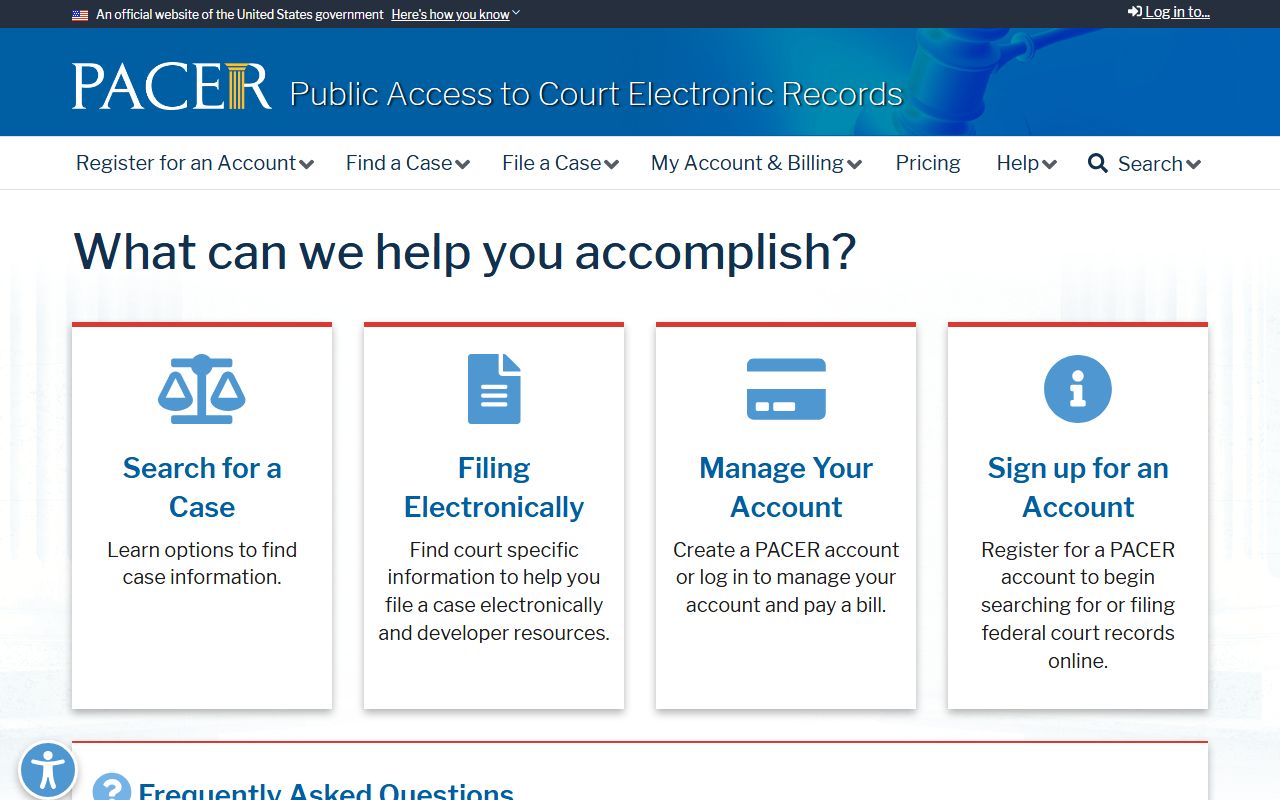
Some cases never appear in the county system. Federal matters are filed in the U.S. District Court for the Western District of Texas, and federal records are searched through PACER, not the county clerk.
Federal appeals from El Paso go to the U.S. Court of Appeals for the Fifth Circuit.
State appeals from El Paso County trial courts usually go first to the Eighth Court of Appeals in El Paso. Bankruptcy is also federal and is filed in the Western District bankruptcy court, again searched through PACER.
Searching by Case Number vs by Name
The way you search shapes what comes back. A cause number is the cleanest key, since it points to a single file and skips the guesswork. When you do not have a number, a name search still works, but a common name can return a long list of people. Narrow it. Add a first name, a date of birth where the form allows one, and a filing date range. The criminal tool widens your options further, with search modes for citation number, business name, attorney name, and bar number.
Attorney search helps when you recall the lawyer but not the case. It will not surface sealed or confidential matters.
Soundex is a name-matching option for spellings that vary. El Paso is a border county with many accented, hyphenated, and transliterated names, so Soundex earns its keep when a record may sit under a variant spelling. It can widen results, so pair it with a date range or an open or closed status filter to keep the list workable.
Which Clerk Holds Your El Paso County Court Records
El Paso County splits its clerk duties, and that split trips up many searches. The District Clerk, Norma Favela Barceleau, is the clerk for the district courts. That office keeps felony cases, larger civil suits, and family district court files like divorce and custody. The County Clerk, Delia Briones, keeps misdemeanor copies, probate-civil county court records, marriage licenses, birth and death records, and property recordings. Search the wrong system and the file may simply not show up.
When you are unsure which office holds a record, start at the Records Search hub, which routes you to the right tool, or email the clerk directly. The District Clerk directs copy and background-letter requests to its office. The County Clerk Criminal Division handles misdemeanor background checks and copies. For a full breakdown of each office and its forms, see those pages.
In-Person Court Record Requests
When a record is not online, or you need a certified copy, go to the clerk who holds the file. The District Clerk handles district court records downtown, and copy or background-letter requests can be emailed to the office. Bring the cause number, the party names, and the document names you need.
El Paso County District Clerk
500 E. San Antonio Ave., Suite 103
El Paso, TX 79901
915-273-3534
Mon-Fri 8 am - 5 pm